

Photojournalists put to the test during World Cup
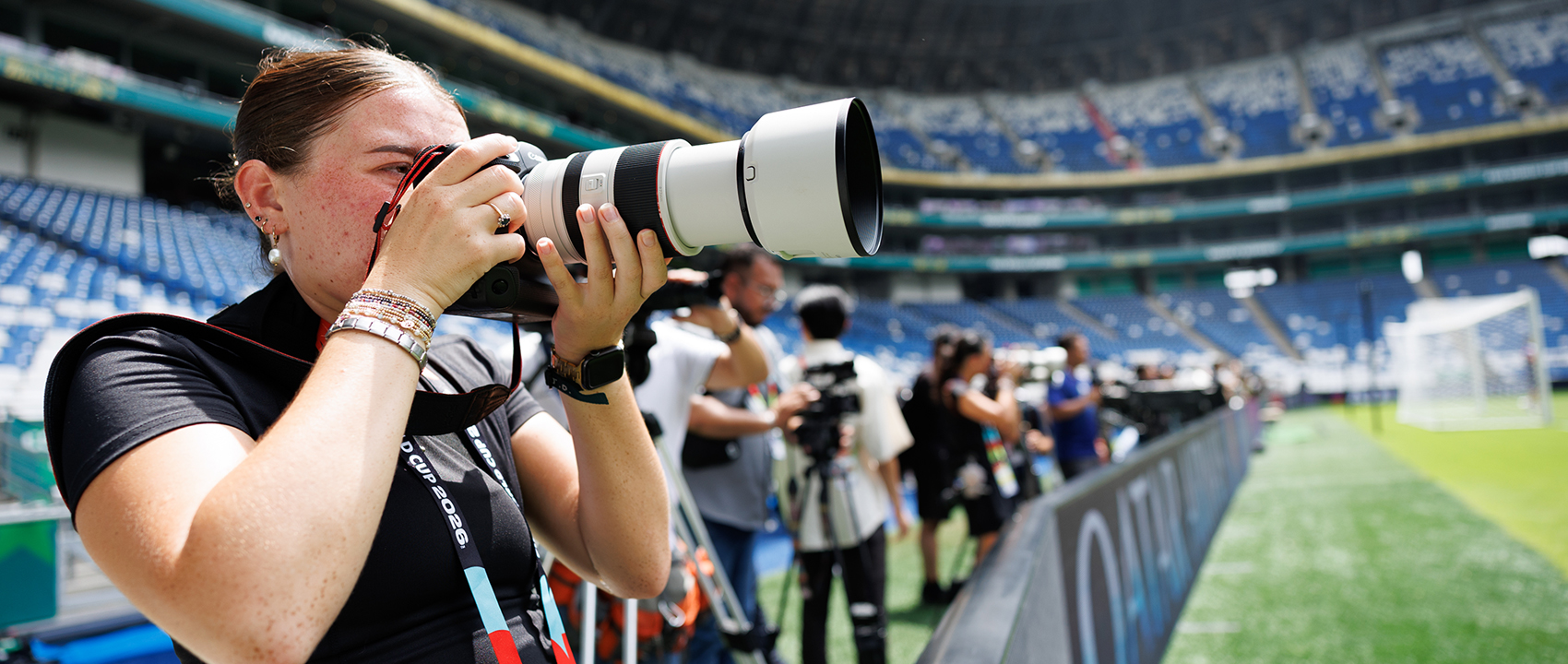
Photojournalists put to the test during World Cup
In celebration of World Photography Day 2026, we take a closer look at a premier international photography event that six Grady College photojournalists participated in this summer: capturing events surrounding World Cup.
While many student photojournalists at the University of Georgia have the chance to photograph UGA athletics and local high school games, there are few that have the opportunity to cover sports on a professional level…let alone the largest sporting event in the world.
Six photojournalism students traveled to three locations this past summer as part of a group covering the World Cup group play and first-round knockout matches. They traveled as credentialed photojournalists through a program coordinated by the Carmical Sports Media Institute and their work was published around the world by The Associated Press. The World Cup program also included 18 students who wrote features for the AP and USA today.
“Honestly, the whole trip was just awesome,” says Kaleb Tatum, who was making pictures in Vancouver a few weeks after graduating from Grady College.
The photojournalists who worked matches in Monterrey, Mexico, were accompanied by Mark E. Johnson, the John G. Alston, Sr., Professor of Sports Media, and photojournalism professor at Grady College. In addition to mentoring and advising the photojournalists in Monterrey, Johnson also edited and processed all of the pictures that students in Monterrey, Vancouver and Mexico City.
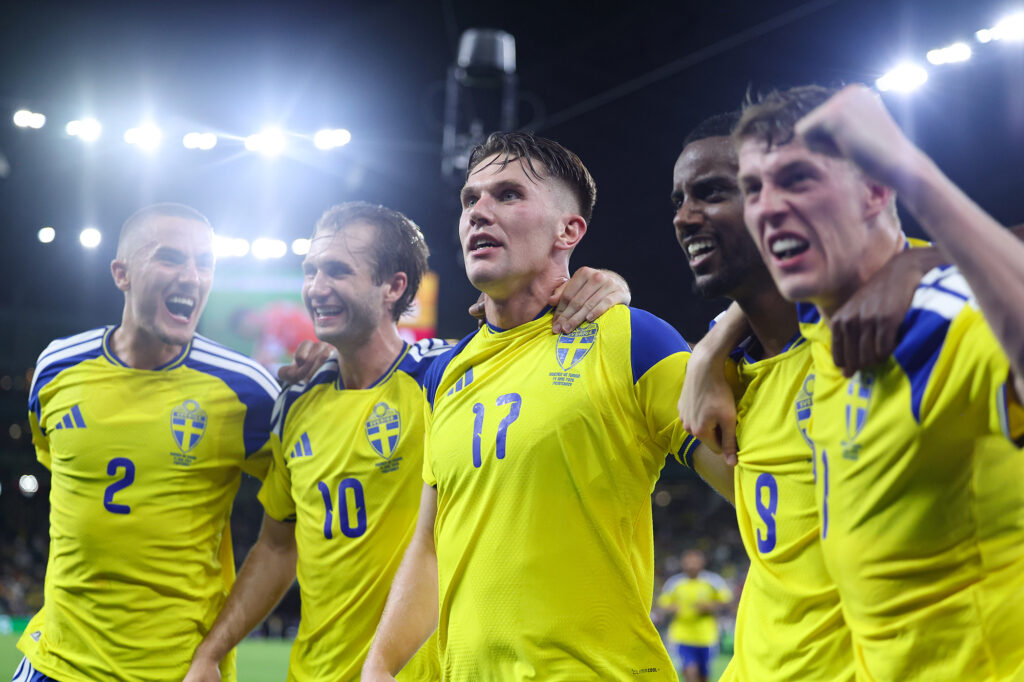
In total, Johnson reviewed 15,077 photos throughout 11 matches, not including pictures of fans, celebrations and local culture that the students photographed when they weren’t in the stadiums. Johnson sent 673 images to the AP for their consideration, and the AP transmitted 344 images over their international sports wire that were viewed by international audiences. Of those images, 25 images taken by the Grady College photojournalists were selected as APTopix, or images that are specially marked to make editors aware of newsworthy and visually striking photographs.
“The level of professionalism and consistency that my team in Monterrey, and across all six photojournalists, vastly exceeded what I had hoped for,” Johnson says.
Match Days
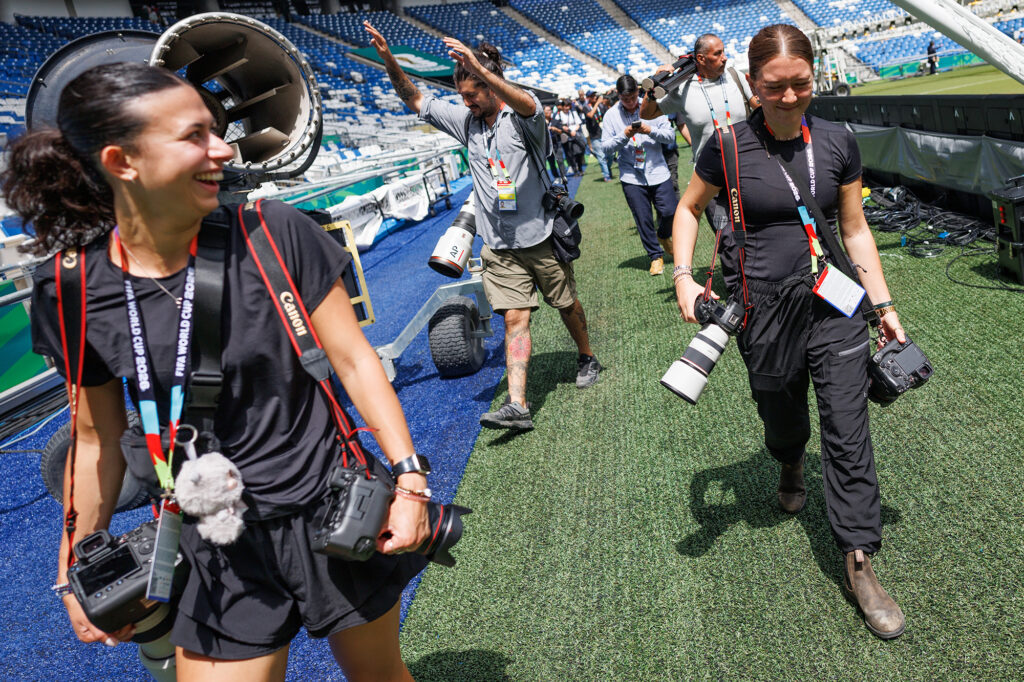
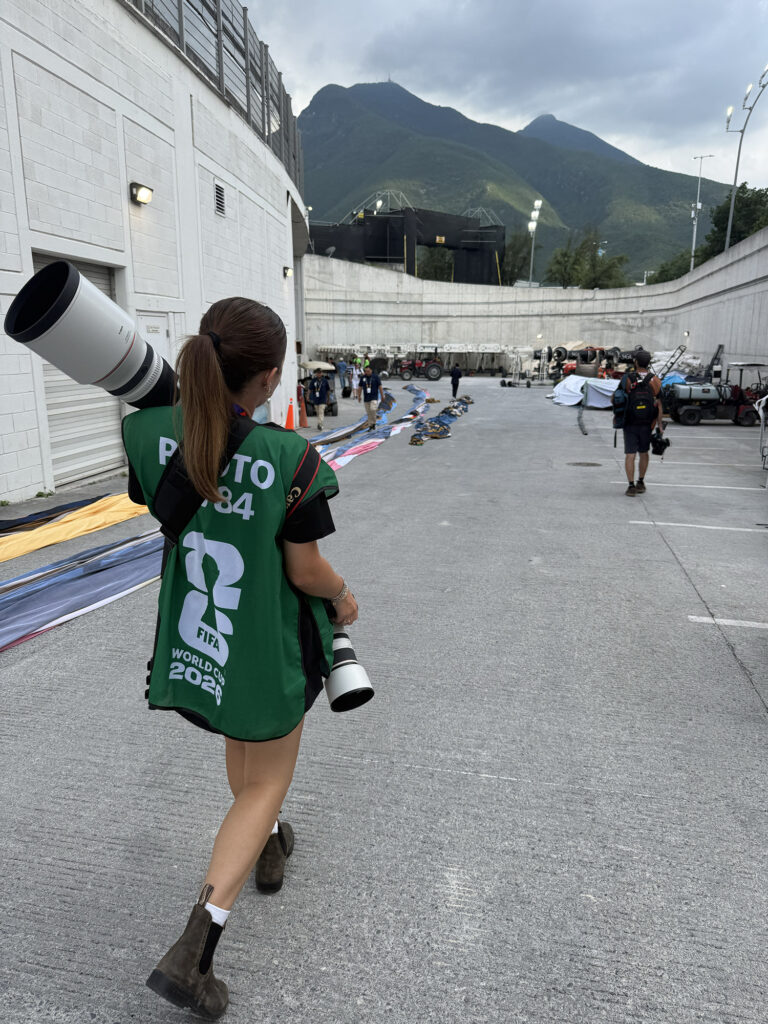
On match days, the photographers arrived at their stadiums about three hours prior to first kick to scout out their assigned location — either on the pitch, which is a designated corner of the field, or in the tribune, which allowed a birds-eye view of the stadium and field. The students also tested the ethernet connections to verify it could transmit images.
“I feel like I had my own little seat near the corner flag and I never wanted to leave,” said Sofia Yaker, a fourth-year journalism student who made pictures in Monterrey. “I feel like I totally belonged there.”
Tatum knew this would be a once-in-a-lifetime experience.
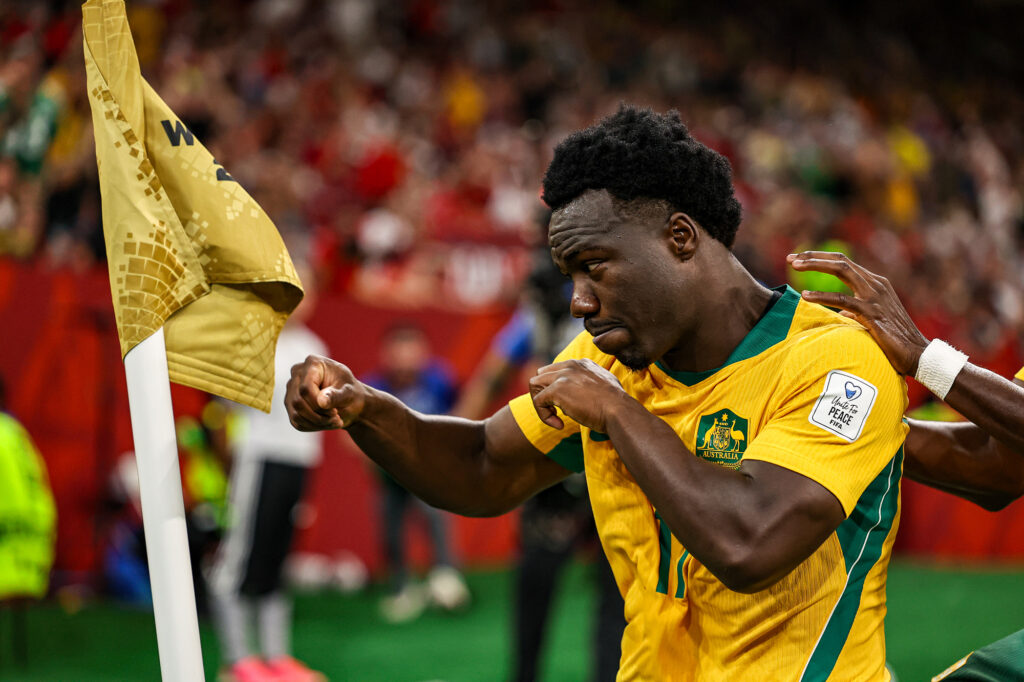
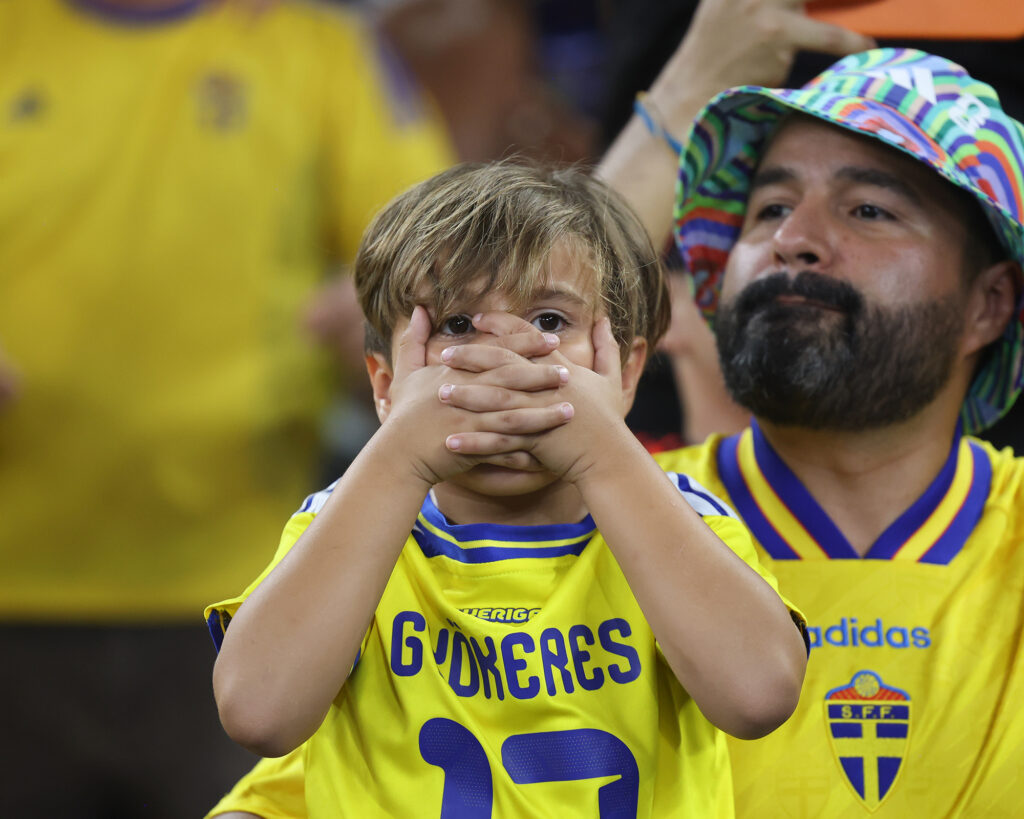
He had more than 75 images that went out over the AP international wire, including a celebration picture of Nestory Irankunda after he scored for the Australia team.
“I had a lot of moments coming my way,” says Tatum. “I got really lucky with all the celebrations and the goals getting scored over on my end and it turned out really well.”
When the students weren’t taking pictures of matches, they were capturing the spirit and culture of the games in the fan zones.
The experience of the students was evident for Johnson in the reaction the students had.
“When Addison [Simmons] and Sofia came in off of the pitch after the first match, it was hot and they were sweaty and they’d been out there for six hours. But, the grins on their faces were a mile wide. They just could not believe that they had gotten that opportunity,” Johnson says.
Yaker says her World Cup experience strengthened her resolve for a career in sports.
“I really like being busy,” Yaker says. “I like hectic schedules. I like having to turn things around really fast. I definitely want to do another World Cup in my lifetime.”
Creating a workflow
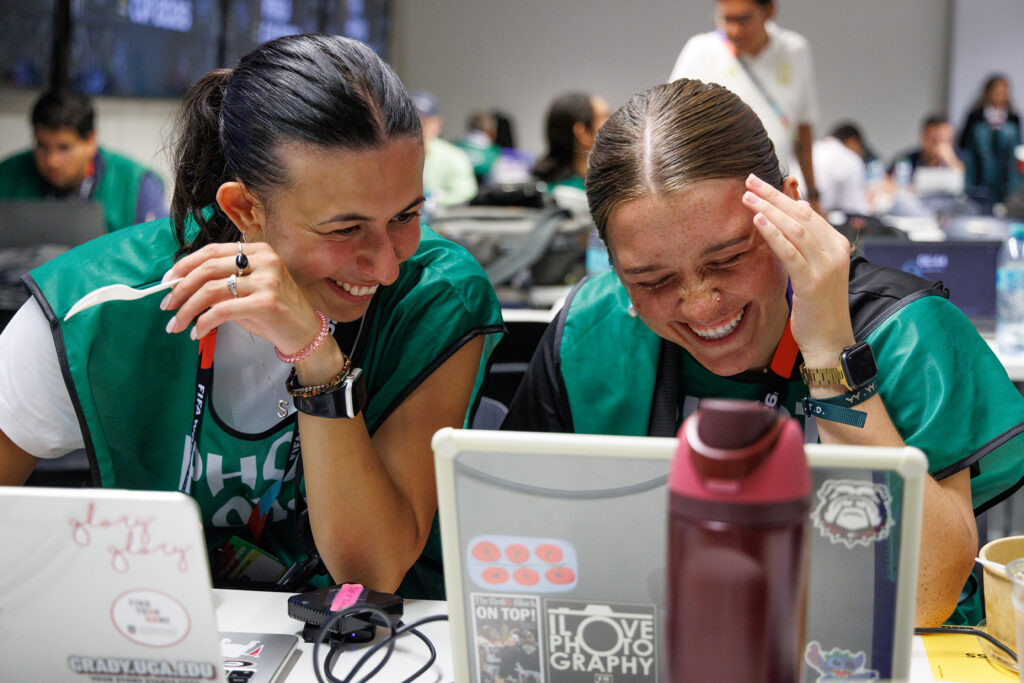
Johnson and the students spent weeks determining the best workflow for taking pictures and transmitting them. Within seconds of an important play, the photojournalist, no matter if they were in Monterrey, Vancouver or Mexico City, would send a sequence of images to Johnson via ethernet cables connected to their cameras. Johnson would then add tags, metadata and captions to the images through a program called Photo Mechanic that he had pre-programmed with templates that would trigger information based on the serial numbers of the cameras, which mapped back to individual students and the matches they were covering. Code replacements, a feature of the program, allowed for quickly captioning the images, identifying players by uniform number which would then become their name and team affiliation. The goal was for the photojournalists to send their best pictures to Johnson within seconds of an important play, and Johnson estimates an average of 1,100 pictures were sent from each match.
Johnson says he evaluated each image based on three questions to determine if it would be sent to the AP: 1. Is it sharp?, 2. Will it help the audience understand what is going on?, and 3. Is it unique?

Partnership Support
One reason the photojournalism students were able to capture incredible images at the World Cup was due to the photo kits that Canon loaned to the students. The kits, each valued at more than $25,000, featured top-line equipment including two camera bodies, two zoom lenses, a super telephoto lens and an ultra wide angle lens.
The relationship with Canon included not only the equipment, but also personal instruction using the cameras. Canon sent one of their senior technical specialists, Tony Kurdzuk, to Athens prior to World Cup to show the students how the equipment worked during a high school soccer match.
“That sort of training on very technical equipment is really hard to come by,” says Johnson. “Canon’s support of our students over the last two decades has been a game changer for us.”
Funding for this project came from the Carmical Sports Media Institute with additional support from the Knight Chair in Visual Journalism.
A Learning Experience
After almost three weeks, the photojournalists finished their assignments and had made such a positive impression, they were asked to do more. Tatum got a call from Team Canada wanting to hire him to make pictures of the team match the next day.
“I was already home so I couldn’t do it, but it’s cool to know that my name is out there,” Tatum says.
Johnson says the learning experience each of the students got is the real gift.
“At the end of the day I’m most proud of the experience they gave themselves,” says Johnson. “Watching them approach coaches, approach players, talk with other journalists, pitch story ideas, that to me is where all the growth shows. They’ll talk about the clips, but it’s the process that they learned that’s going to be more valuable.”
Author: Sarah E. Freeman, freemans@uga.edu